
–
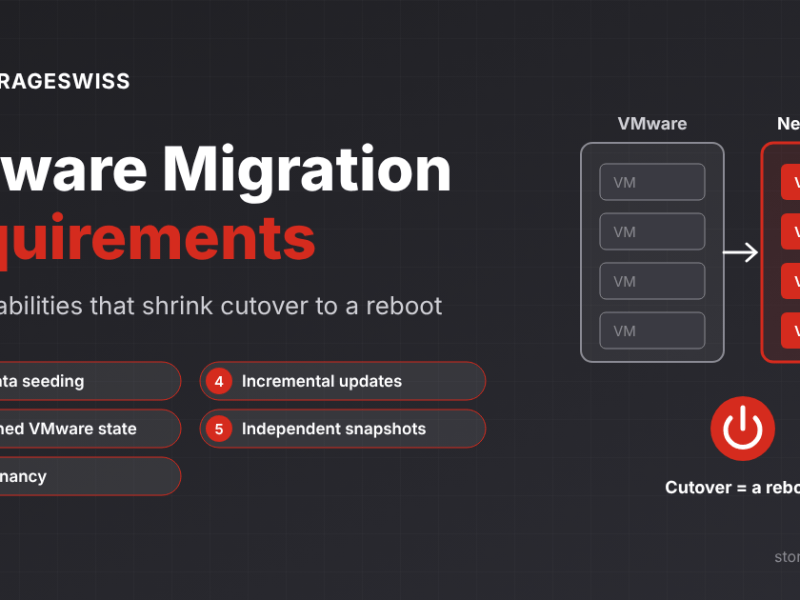
VMware Migration Requirements: What to Look For in a VMware Alternative
VMware migration requirements start with one goal: reduce cutover to a reboot by powering off the VM on VMware and powering it on under the new platform. Five capabilities get you there: initial data seeding with production still running, a maintained VMware state, multi-tenancy, incremental updates and independent snapshots. Here is what to look for…
Read More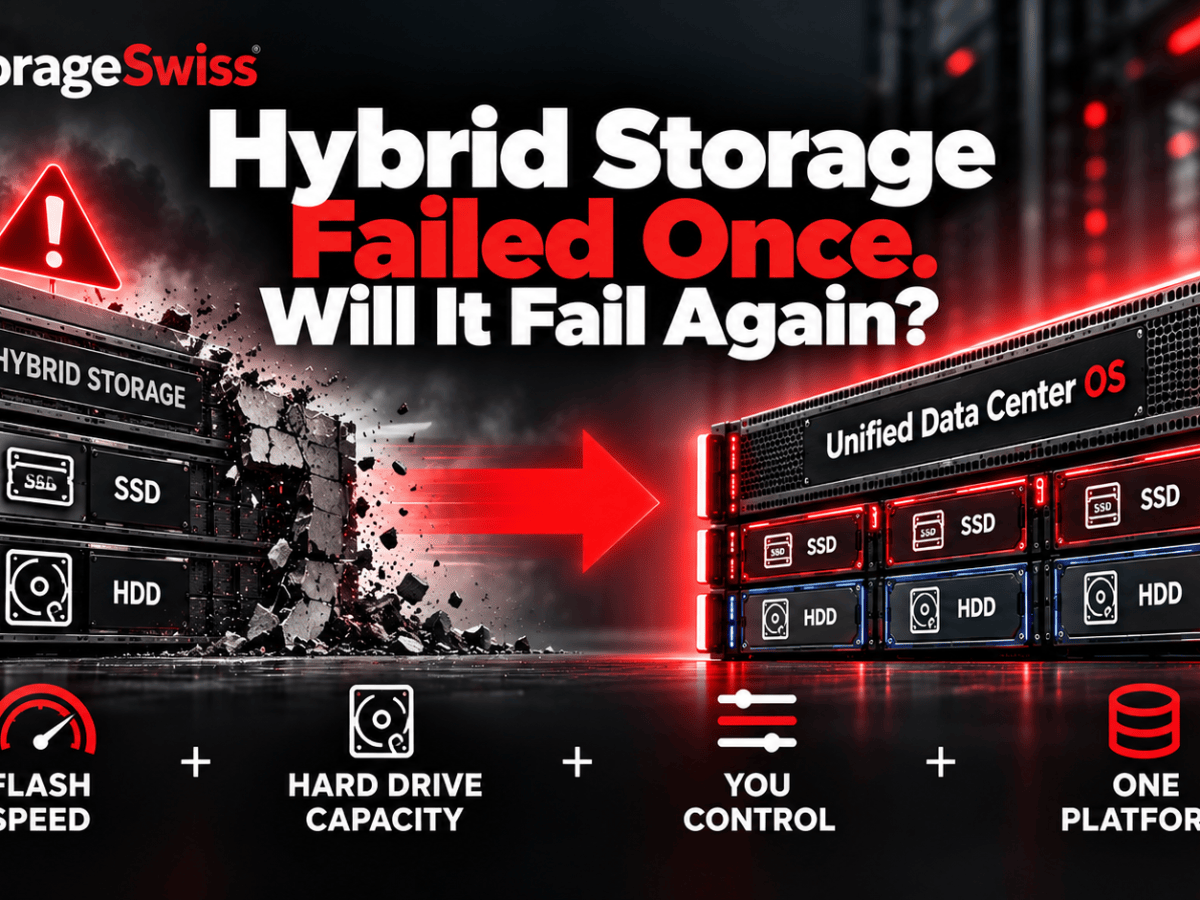
Hybrid Storage Failed Once. Will It Fail Again?
Hybrid storage failed the first time when the caching and tiering logic sat inside the array controller, behind the storage network and out of IT’s control. With flash now at $706 per terabyte and a 24 TB hard drive at $56, the question is back. Here is what changes when tiering runs inside the infrastructure…
Read More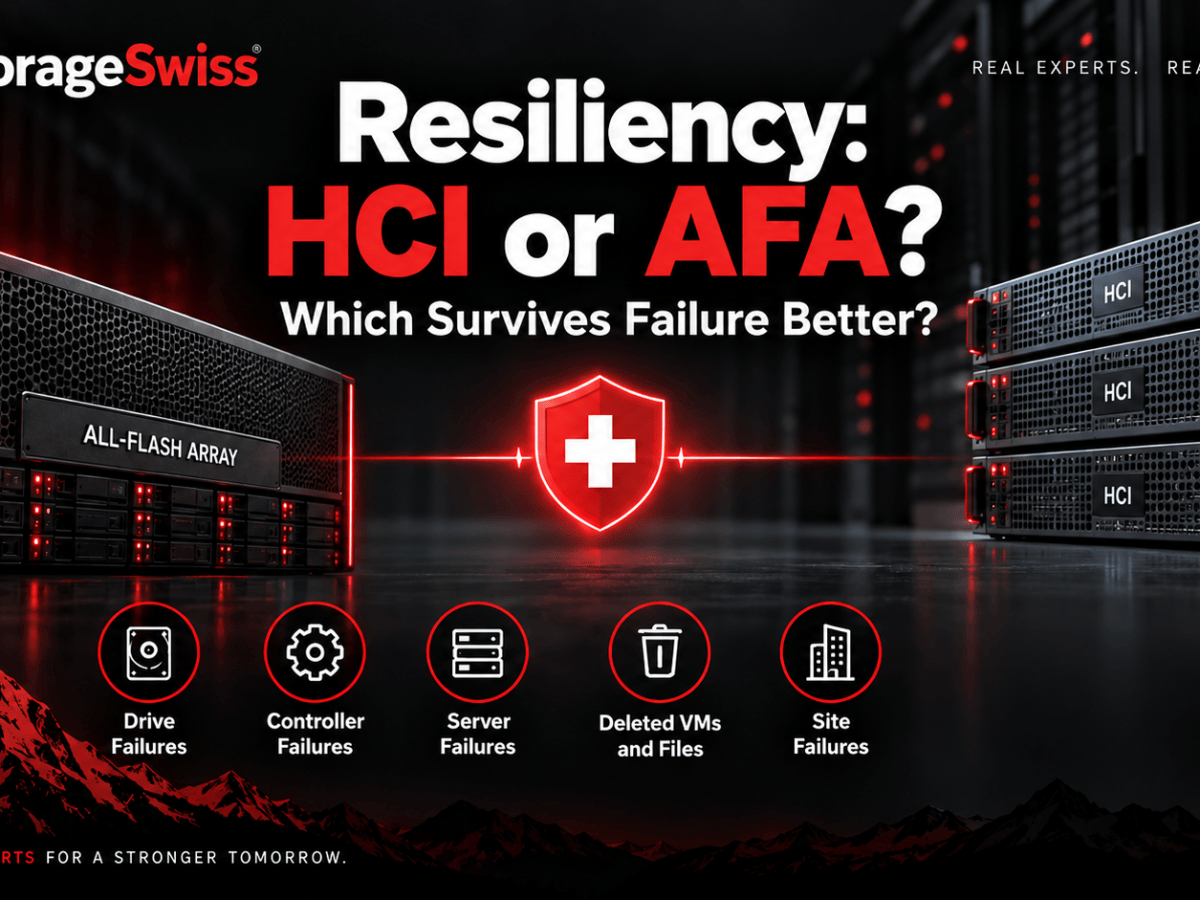
Resiliency: HCI or AFA?
HCI or AFA for your VMware exit? A modern all-flash array and a well-designed HCI cluster handle a single drive failure about equally well. The differences appear at controller and server failures, past the protection limit, and at recovery. This analysis compares how each design survives failure and explains why delivering HCI resiliency takes a…
Read More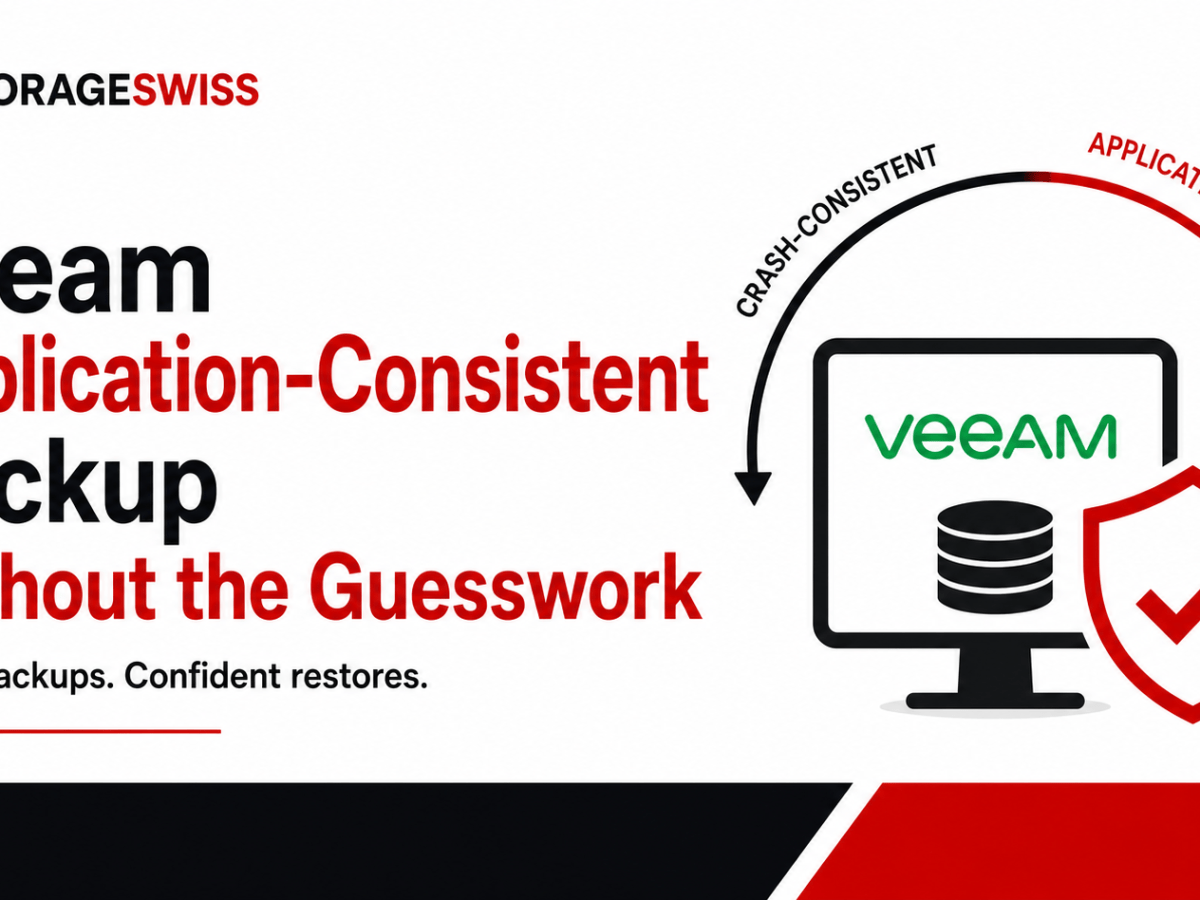
Veeam Application-Consistent Backup Without the Guesswork
A crash-consistent backup and an application-consistent backup are not the same guarantee. On VergeOS, Veeam’s Deployment Toolkit closes that gap, installing its own backup agent automatically and quiescing SQL Server and other applications before the backup fully completes. The difference decides what a restore actually delivers on the worst day of the job, every time.
Read More
Rising Cloud Costs: The Case for Owning Hardware in 2026
Rising cloud costs are changing the economics of infrastructure. As component prices climb and cloud capacity tightens, moving workloads to the cloud no longer provides an easy escape from hardware inflation. Extending server life, using quality second-life enterprise hardware, and choosing an infrastructure platform that preserves hardware freedom can turn ownership into a significant cost…
Read More
Five Critical Questions for HCI Evaluations
An HCI evaluation built on a feature matrix ends in a tie. Four questions break it: the node ceiling at your largest site, who picks the hardware at expansion, the smallest increment of growth you can buy, and the hours a month day-2 operations take.
Read More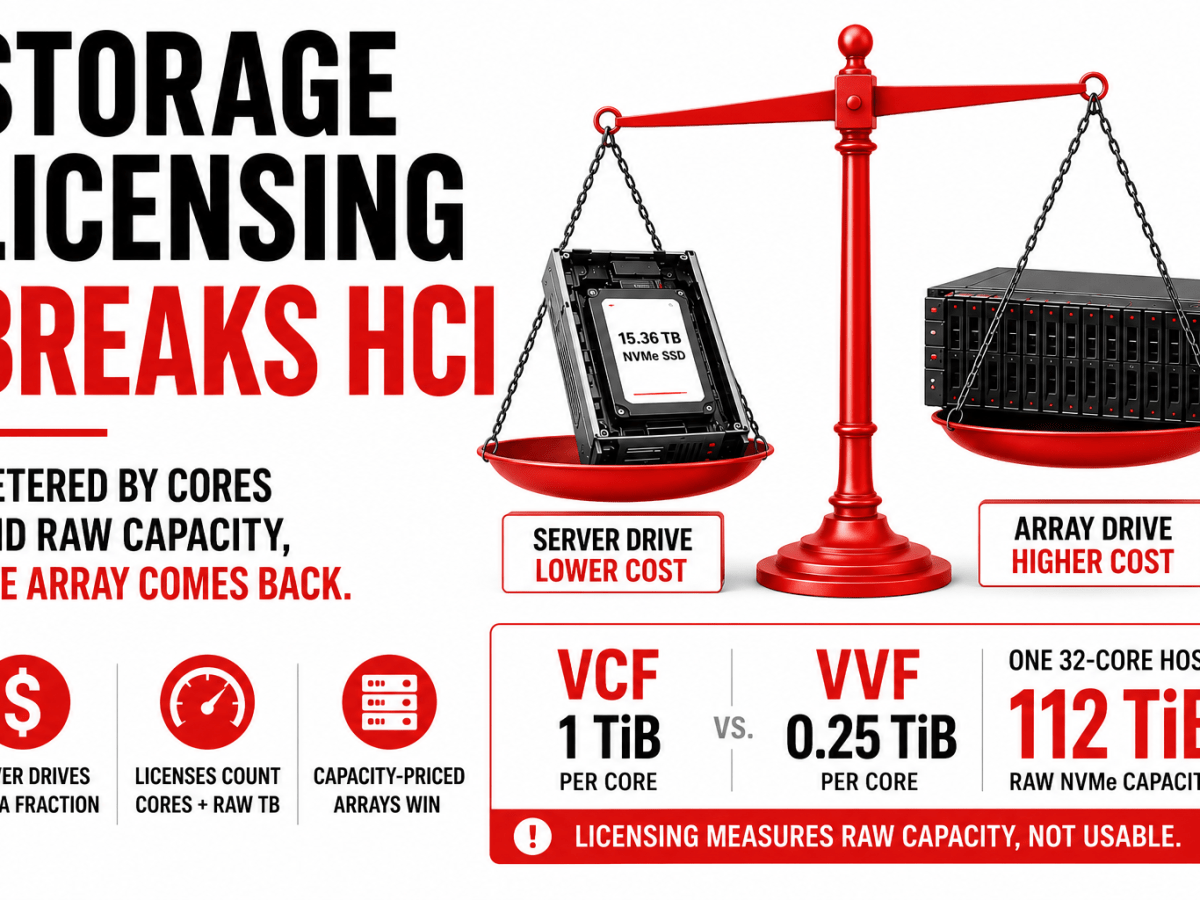
Storage Licensing Breaks HCI
A drive costs a fraction inside a server of what the same NAND costs inside an array. Storage licensing reverses that math, and the array comes back. Hyperconverged infrastructure made a hardware argument and won it. Put the data on drives inside standard servers, buy those drives through the channel, and skip the array vendor’s…
Read More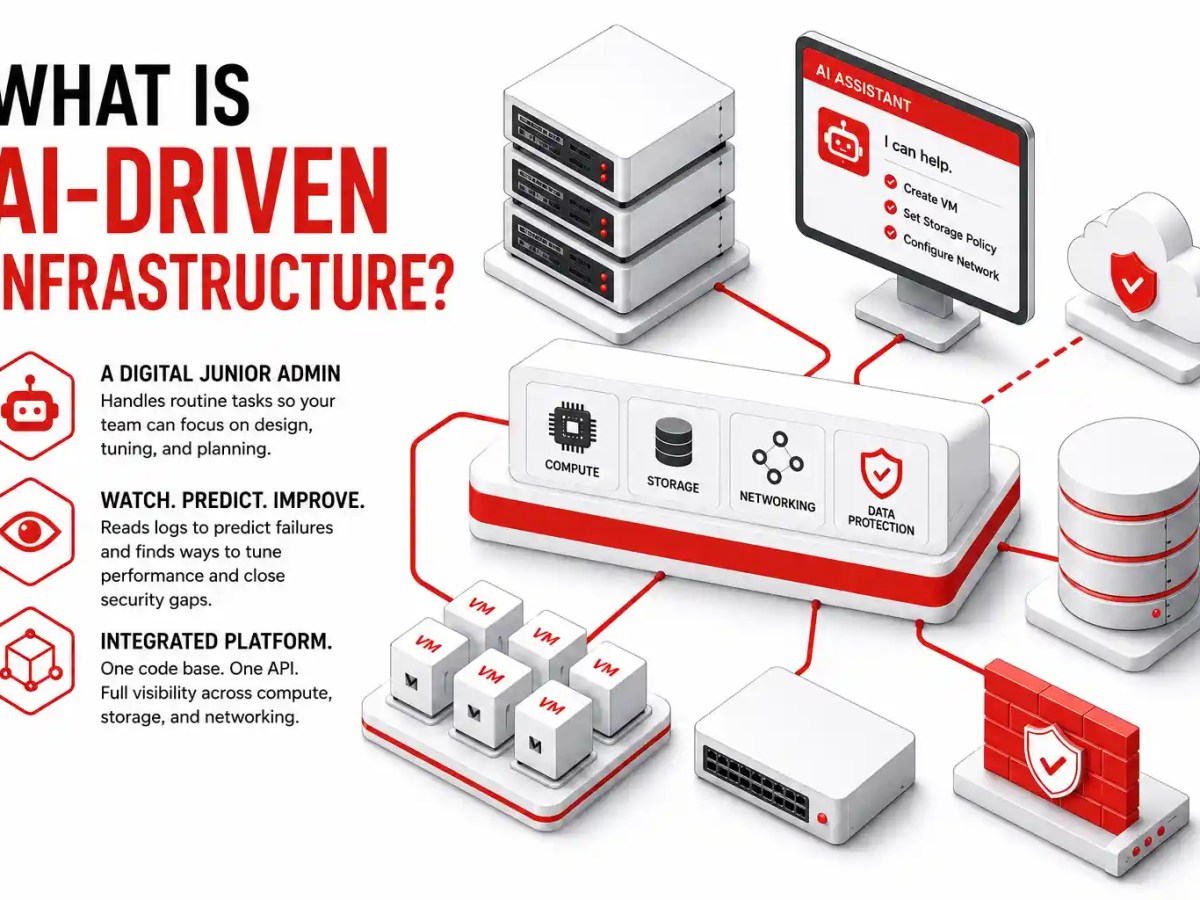
What Is AI-Driven Infrastructure?
AI-Driven Infrastructure gives IT a digital junior admin that clears routine work and frees senior staff to design and scale, with the administrator always in control.
Read More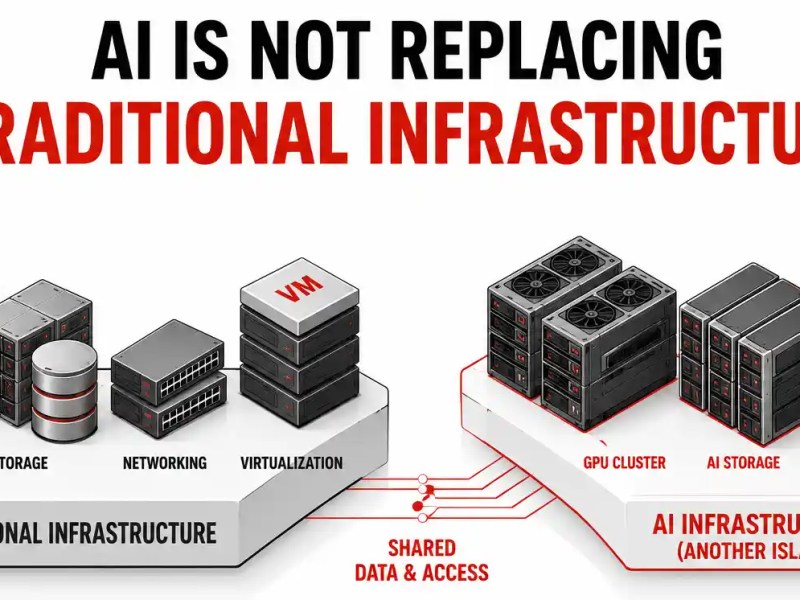
AI Infrastructure Island: The Great Miscalculation
Goldman Sachs raised its traditional server forecast more than its AI forecast through 2030, exposing a costly misconception. Organizations are not replacing infrastructure with AI, they are stacking AI on top of it. Each new workload becomes another island. The platforms that win the AI decade will absorb new workloads instead of building another silo.
Read More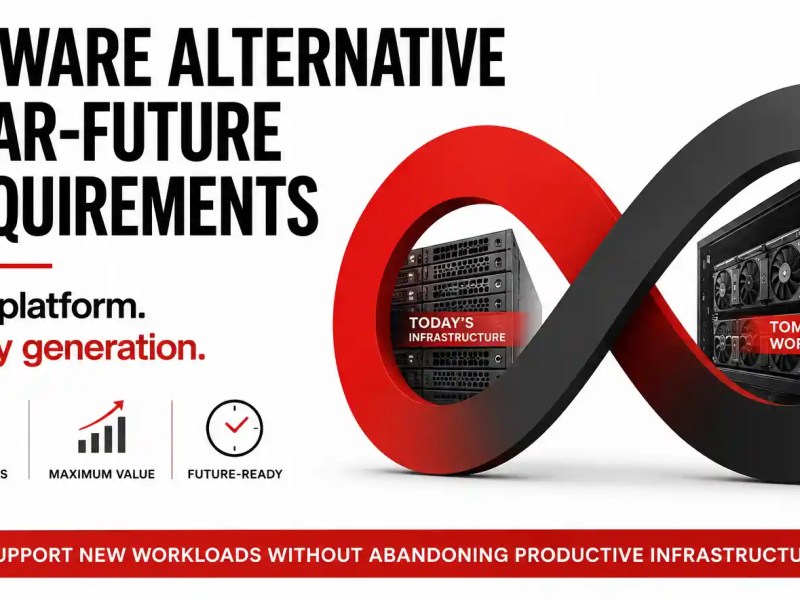
VMware Alternative Near-Future Requirements
The VMware alternative near-future requirements go beyond reducing licensing costs. Organizations need a platform that supports future workloads while maximizing the value of existing infrastructure, letting new technology and existing hardware coexist and lowering refresh costs.
Read More


