
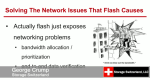
All-flash arrays solve many performance problems. But the latency reduction they bring also exposes other weak links in the storage IO architecture. One of the most exposed areas is the network. For example, many times IT will install the flash…
All-flash arrays solve many performance problems. But the latency reduction they bring also exposes other weak links in the storage IO architecture. One of the most exposed areas is the network. For example, many times IT will install the flash…

Downtime, no matter what the cause, is becoming less acceptable to organizations of all sizes. Clearly, technology exists that can eliminate it. But with the reduction or elimination of downtime, the associated costs – when compared to once-per-night backups –…

Ransomware has one fatal flaw. Organizations that know how to exploit this flaw can almost eliminate this cyber-attack from their list of concerns. Ironically the flaw is found in their very action it takes to hold organizations hostage – it…

The best way to protect an organization from a ransomware attack is at its source, primary storage. Ransomware works by compromising a user account and then encrypting all the files that the account can access. A compromised superuser account is…

Have you made the jump to all-flash storage? Are you planning to? If so this webinar is for you. We will look at what’s next after (or before) the jump to all-flash. An all-flash array brings many benefits to the…

The reason that file data is a prime target of ransomware attacks is that most file servers are full of juicy targets that organizations are willing to pay to get back. Payment is, after all, exactly what ransomware is all…
One of the challenges to designing a successful disaster recovery solution is where to keep copies of your data. A close copy allows for a rapid recovery in the event of a failure since it is seconds away. But in…
And How To Start Winning Organizations managing data have a competitive advantage over organizations that don’t. But most organizations don’t have the time or tools available to implement a successful data management strategy. It’s not for a lack of trying.…
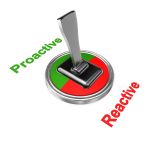
IT needs a proactive way to stop ransomware. It’s here to stay. Most ransomware countermeasures are reactive. The damage is done before IT can deploy their reactive countermeasures. When ransomware gets through an organization’s defenses, it starts to encrypt data,…
The Always-on Enterprise is a data center that faced with even the most severe disaster can return applications to full working order in a matter of minutes. Service level objectives (SLOs) are the means by which IT and the organization…


 StorageSwiss.com - The Home of Storage Switzerland