

Disaster recovery planning (DRP) is a long and arduous process. The process of creating and even updating a disaster recovery plan is the primary reason that most plans, if they exist, are woefully out of date. In the event of…
Disaster recovery planning (DRP) is a long and arduous process. The process of creating and even updating a disaster recovery plan is the primary reason that most plans, if they exist, are woefully out of date. In the event of…
The pace of data center change is also changing disaster recovery. What once was a planned for and a well-documented process is now more of an ad-hoc fire drill. When disaster strikes, IT scrambles to recover everything as fast as…

Tape should be a critical component of every data center. As a medium, it is cost effective and easy to transport. It also provides diversity as an offline alternative media choice to hard disk based technology. The problem is that…
Secondary storage does more than just store backups. It also serves as storage for archive data, IoT data and support copy data use cases like test development and reporting. As a result, the infrastructure requirements for secondary data have grown…

IT’s impression of the cloud has evolved over the past few years. Most IT professionals see the cloud not as a competitor but as another tool in the IT toolbox. Like any other tool, when used in the right circumstances…

One of the most significant challenges when two organizations merge is what to do with the data protection process. In all likelihood, before the merger, each organization had its data protection practices and policy. The overwhelming tendency is to do…

The single biggest challenge facing backup, ironically has nothing to do with backup. Backup’s biggest challenge is the pace at which the organization evolves and the speed at which it expects IT to keep pace with that evolution. Combine that…
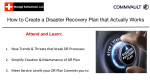
Disaster Recovery plans have always been hard to create and maintain in part because it is difficult to meet the service levels that those plans promise. With recent trends like GDPR and ransomware threats, it is even more difficult for…
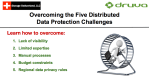
One of the biggest challenges facing IT today is how to effectively protect data distributed between offices and across clouds. Companies with remote and branch locations, and newly merged organizations are all at risk of losing their critical data or…

Organizations are asked to store unprecedented amounts of data. Protection of this data to a secondary storage device and replicating it off-site is critical. For most organizations, the capacity requirements of secondary data, data used for backups and other purposes,…


 StorageSwiss.com - The Home of Storage Switzerland