

There are two primary use cases for NAS. The first demands high performance when using NAS as primary storage to host application data and virtual machines. Modern NAS systems address this use case. The second, and more common, use is…
There are two primary use cases for NAS. The first demands high performance when using NAS as primary storage to host application data and virtual machines. Modern NAS systems address this use case. The second, and more common, use is…
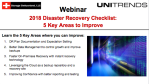
Is your organization ready for any disaster 2018 may throw at it? Organizations not only face new threats they also encounter decreased tolerance for downtime from users. The good news is there are plenty of new solutions that claim to…

The desired final step of a cloud strategy is to use the services available in the cloud to the fullest extent possible. The problem is for most organizations the first step, leveraging the cloud for backup or archive, which typically…

For over a decade the classic data protection architecture included a server whose sole purpose was to receive data from endpoints. This server was responsible for pulling data from the endpoints or receiving data from the endpoints. It might also…

Backup and Recovery remain a constant challenge for most enterprises. New vendors appear on the horizon constantly to “solve” the problem. But are these “rookies” really up to the challenge or are they actually making the situation worse? Join us…

Almost every data center needs to test operating system updates and new code releases. A DRaaS solution can meet the need. The problem is these testing needs require a copy of the server being tested with a most recent copy…
A vendor’s support of their backup application is an important priority for IT to understand as it looks for potential new backup solutions. Enterprise backup is unlike any other application in the data center. At some point in the backup…

Backup Appliances come in two forms. Integrated appliances that have the backup software pre-installed on them and appliances that act as stand-alone systems so they can accept input from a variety of backup sources. The second type is probably more…
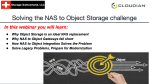
The ideal first step for enterprise adoption of object storage is the replacement of NAS and file servers. Object storage is suitable for unstructured data storage; it supports almost limitless capacity and file counts, it can better protect and maintain…

Public cloud storage is highly scalable and very cost effective. It also happens to be located next to an almost infinite supply of compute. Why then do most primary storage vendors pretend the resource doesn’t exist? The answer is quite…


 StorageSwiss.com - The Home of Storage Switzerland