

Many years ago when the NAS market was born, it was very simple to distinguish between NAS systems and SAN systems. SAN systems ran on Fibre Channel and NAS systems ran on Ethernet. SAN systems used block protocols like SCSI…
Many years ago when the NAS market was born, it was very simple to distinguish between NAS systems and SAN systems. SAN systems ran on Fibre Channel and NAS systems ran on Ethernet. SAN systems used block protocols like SCSI…

Windows file server archiving is the process of getting all the old data off of an organization’s Windows file servers and moving them to some less expensive form of storage. The concept has been around almost since there were Windows…

The result of a poll in our latest webinar, “How to Quickly Shift Big Data Processing to the Cloud“, indicates security remains a concern of organizations looking at leveraging the cloud. In the poll, 46% of respondents chose security as…

With Amazon S3’s native search capabilities, users are limited only to searching the name of the object. Most people however, want to search by many things in addition to the name of the object. Specifically, they would like to be…
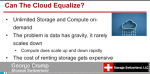
Access to almost limitless, on-demand compute and storage means public cloud providers like Amazon, Google and Azure should be a factor in the strategy of almost any sized enterprise. Most experts recommend a hybrid approach, but the problem is data…

Typically IT has to perform a data migration from an old storage system to a new one every few years. The old system has either come off of maintenance, is out of capacity, or can’t deliver the performance the organization…

Times have changed. Data centers must refresh storage more frequently than ever. The organization wants faster application response to more sophisticated queries across more users. Or it wants to start a totally new endeavor, like better decision making driven by…

The problem with a cloud first strategy is organizations assume clouds are the ultimate data centers, that the organization can’t do it better themselves. The reality is that there are some functions where the cloud is more optimal. Then there…

It’s time to retire Network Attached Storage (NAS) – at least as we know it. These systems, glorified file servers, are over two decades old. In that time, users have become more mobile, and organizations more diverse. What seemed like…

Being able to store terabytes or even petabytes of data is table stakes. It’s how data is managed that determines how effective a data driven organization will be in delivering value and controlling costs.The problem is most file systems and…


 StorageSwiss.com - The Home of Storage Switzerland