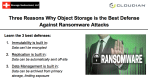
Backups, by themselves, are not an effective defense against a ransomware attack. The systems that store backup data also require protection, but backup storage is as vulnerable to a ransomware attack as production data, if not more so. If both…
One of the riskiest claims a vendor ever makes is “we’ve eliminated the need for backup” and hyperconverged infrastructure (HCI) vendors make this claim frequently. Good data resiliency is not good backup, and in fact, some of the work that…
In the last blog, we laid out the five requirements for unstructured data protection; fine-grained backups, frequent and rapid backups; cloud support, data classification, and an archiving future. Aparavi is one of the first data protection companies specifically focused on…
Unstructured data has changed dramatically over the past decade. It is not only bigger in terms of capacity, it’s also bigger in terms of quantity, there are just more files to deal with than ever. On top of the increase…
Unstructured data presents two challenges that organizations need to deal with; the sheer volume of data and the quantity of files in the data sets. Storing this data is a problem in and of itself, but protecting it is an…
One of the most alarming trends in data protection is the number of different solutions data centers are deploying and managing so they can keep up with the organization’s recovery expectations and budget realities. The demands for rapid recovery are…
The capacity requirements of unstructured data continue to grow at an alarming rate and the rate of growth is only going to get worse. Storing is problem enough but protecting unstructured data is creating a new challenge that most data…