
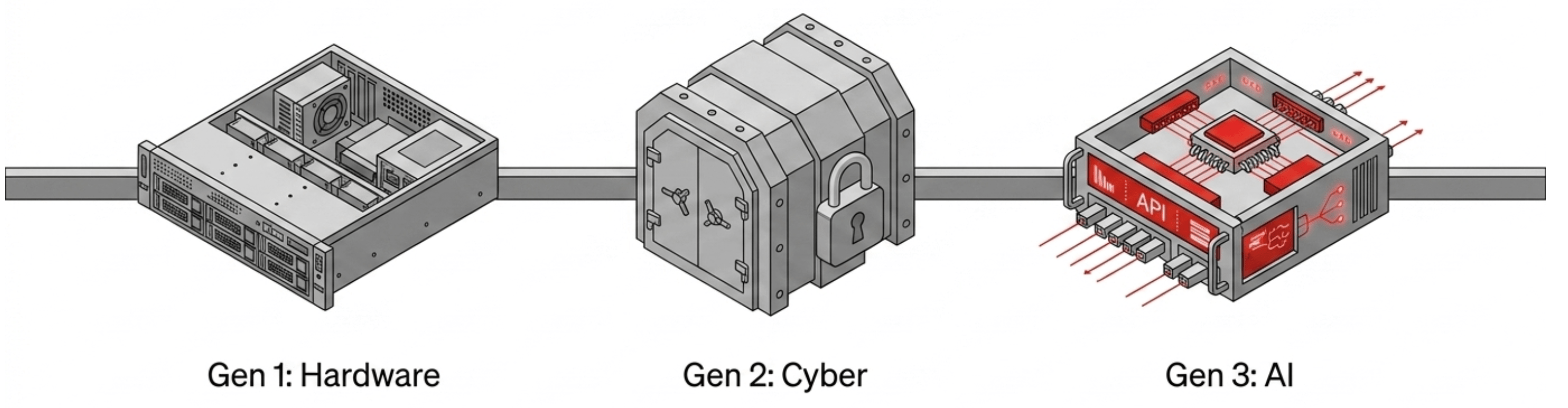
Are you ready for the three-generation disaster stack? Most backup architectures are built for one generation of risk, sometimes two. The organizations making infrastructure decisions right now need to cover all three simultaneously, and the choices they make on hypervisor and backup platform directly determine whether they can. Rick Vanover, VP of Product Strategy at Veeam, laid out this framework during a recent live webinar with VergeIO. It reframes the entire data protection conversation in a way that should inform every VMware exit decision being made today.
Key Takeaways
- Data protection risk has evolved across three distinct generations: hardware failure, ransomware, and AI-driven data corruption. Each generation adds to the stack rather than replacing what came before.
- Generation Three introduces AI agents as a new failure category, fast, credentialed, and capable of corrupting production data at a scale no human operator ever could.
- Generation Three specifically demands rapid snapshots and instant rollback at the platform level. VergeOS supplies both natively, compressing recovery from hours to seconds.
- VergeIO and backup software like Veeam can work together through the oVirt API to cover all three generations. VergeOS handles the platform layer, Veeam handles the historical depth.
- VMware exit decisions made today directly predicate the organization’s ability to recover from Generation Three events tomorrow.
Generation One: The Hardware Era
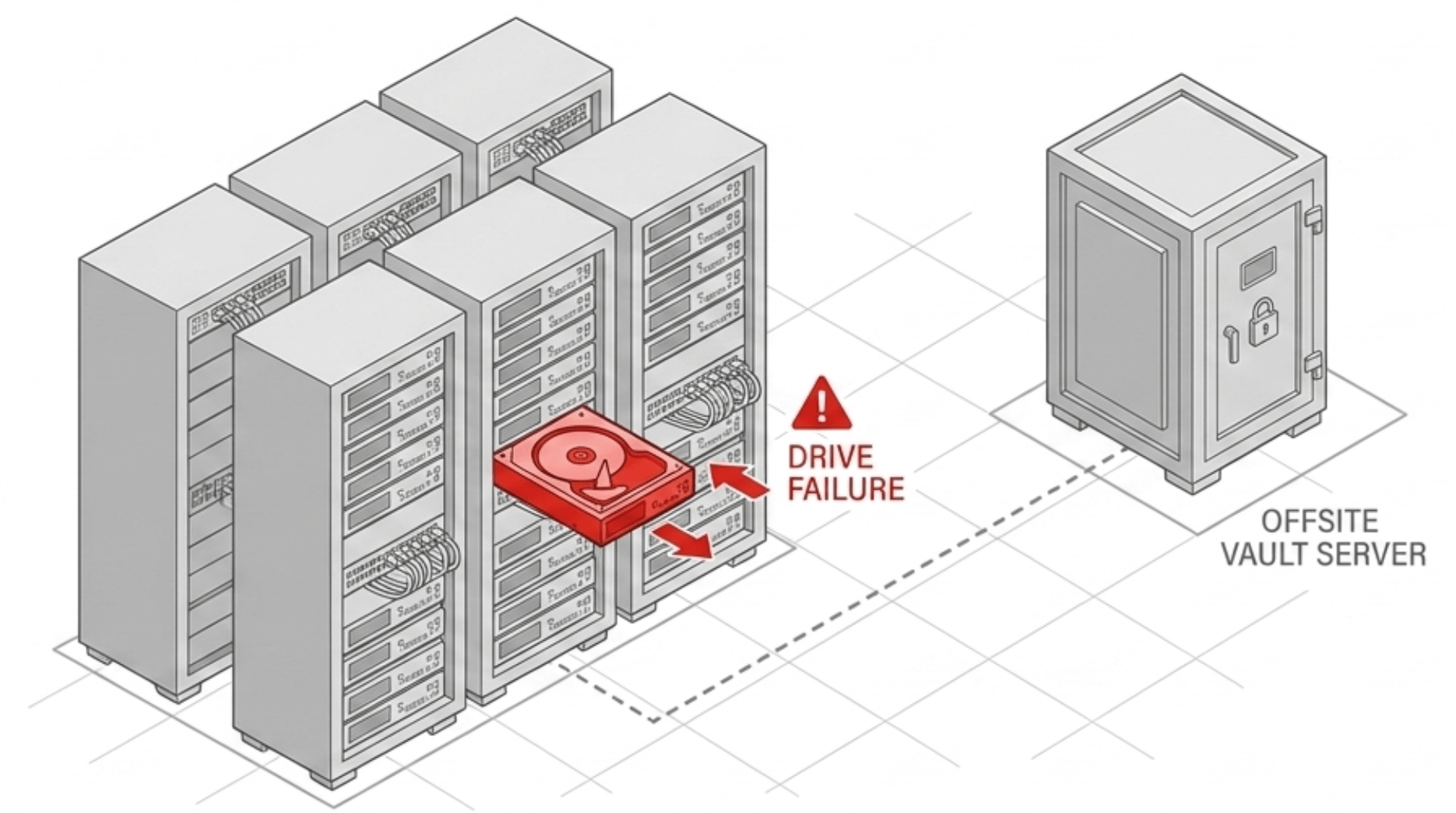
The first generation of data protection was built around physical failure. Drives fail. Servers go down. Buildings flood. The response was replication, tape, and offsite vaulting. Every enterprise backup practice in existence grew from this foundation, and the institutional knowledge accumulated around it represents years of investment in procedures, runbooks, and tested recovery workflows.
Generation One is still fully active. Hardware failure remains a daily operational reality across enterprise environments, and the tools built to handle it remain as necessary in 2026 as they were in 2006. What changed over the past decade is that two additional categories of failure arrived on top of it. Neither one retired the original problem. They stacked.
Generation Two: The Ransomware Era
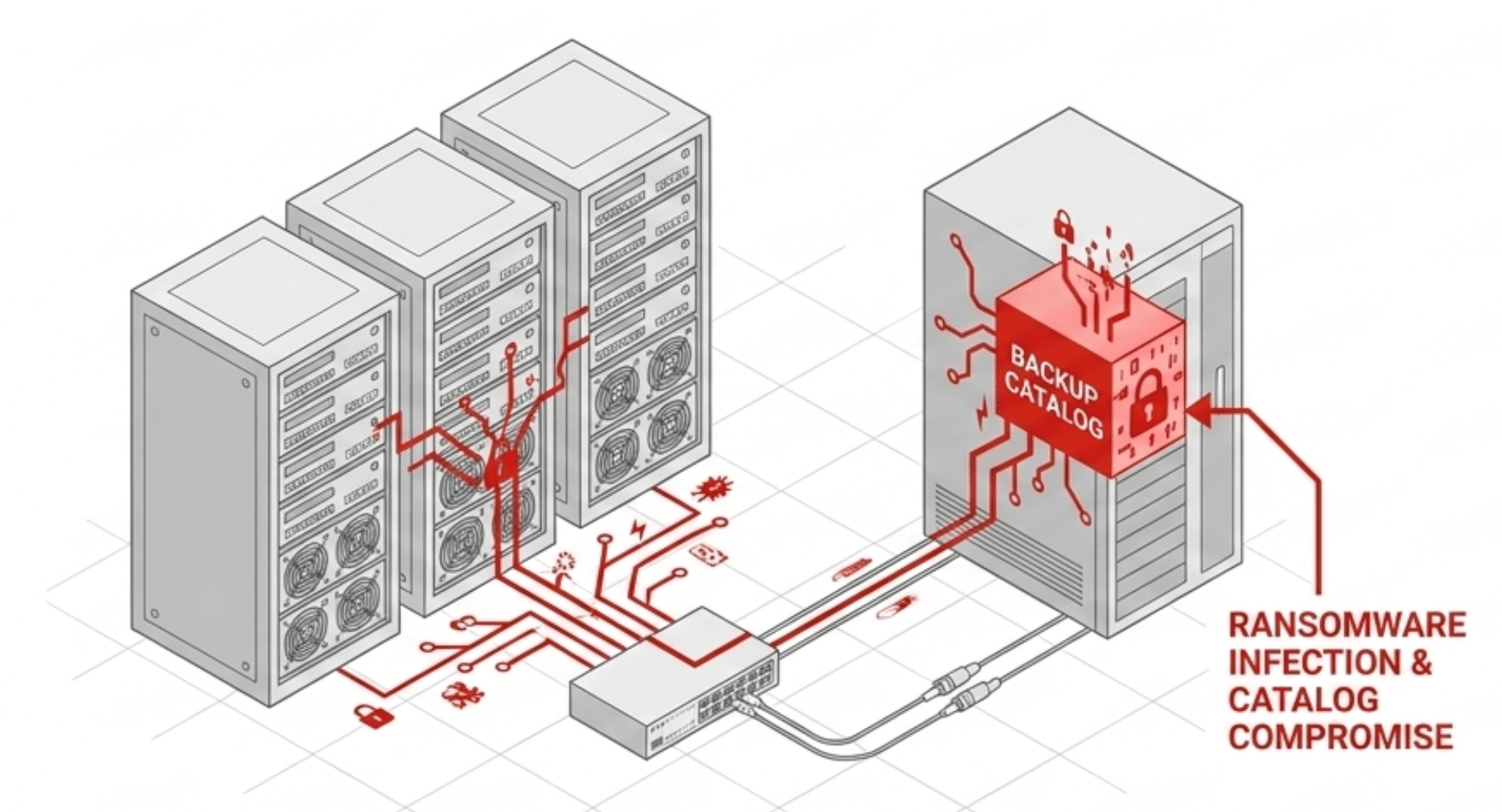
The second generation emerged as attackers recognized that compromising the backup infrastructure was the fastest path to a successful extortion. Ransomware strains began targeting backup catalogs directly. Air-gapped repositories, immutable storage, and offsite copies became standard requirements. Backup platforms extended their architectures to handle compromise of the backup server itself as an assumed threat condition.
Generation Two has its own distinct recovery requirements: long retention chains, granular point-in-time recovery, application-aware backups, and hardened repositories. These capabilities are mature and widely deployed in modern backup platforms. The risk is ongoing, the architecture to handle it is well understood, and any platform evaluation that does not address it directly is incomplete.
Key Terms
Three-Generation Disaster Stack
A framework describing the three cumulative generations of data protection risk: Generation One (hardware failure), Generation Two (ransomware and cyber threats), and Generation Three (AI agent-driven data corruption). Each generation adds to the stack without retiring the previous ones.
Agentic AI
AI systems with access to production file systems, databases, and infrastructure APIs that can execute changes autonomously. Because agents operate at machine speed with legitimate credentials, they introduce a new category of accidental data corruption that traditional backup strategies were not designed to address.
oVirt API
The open standard REST interface for KVM-based virtualization management. Backup platforms with oVirt drivers connect to VergeOS immediately, with full feature support and no custom development required on either side.
Two-Layer Protection Model
An architecture that separates platform-level availability and instant recovery (VergeOS) from backup-level granular recovery and long retention (Veeam). Each layer handles what it was built for, covering the full three-generation disaster stack together.
Virtual Data Center (VDC) Snapshot
In VergeOS, an atomic point-in-time capture of an entire virtual data center including compute, storage, networking, and security policy. VDC snapshots roll back entire environments in seconds, the specific recovery capability Generation Three demands.
Generation Three: The AI Era
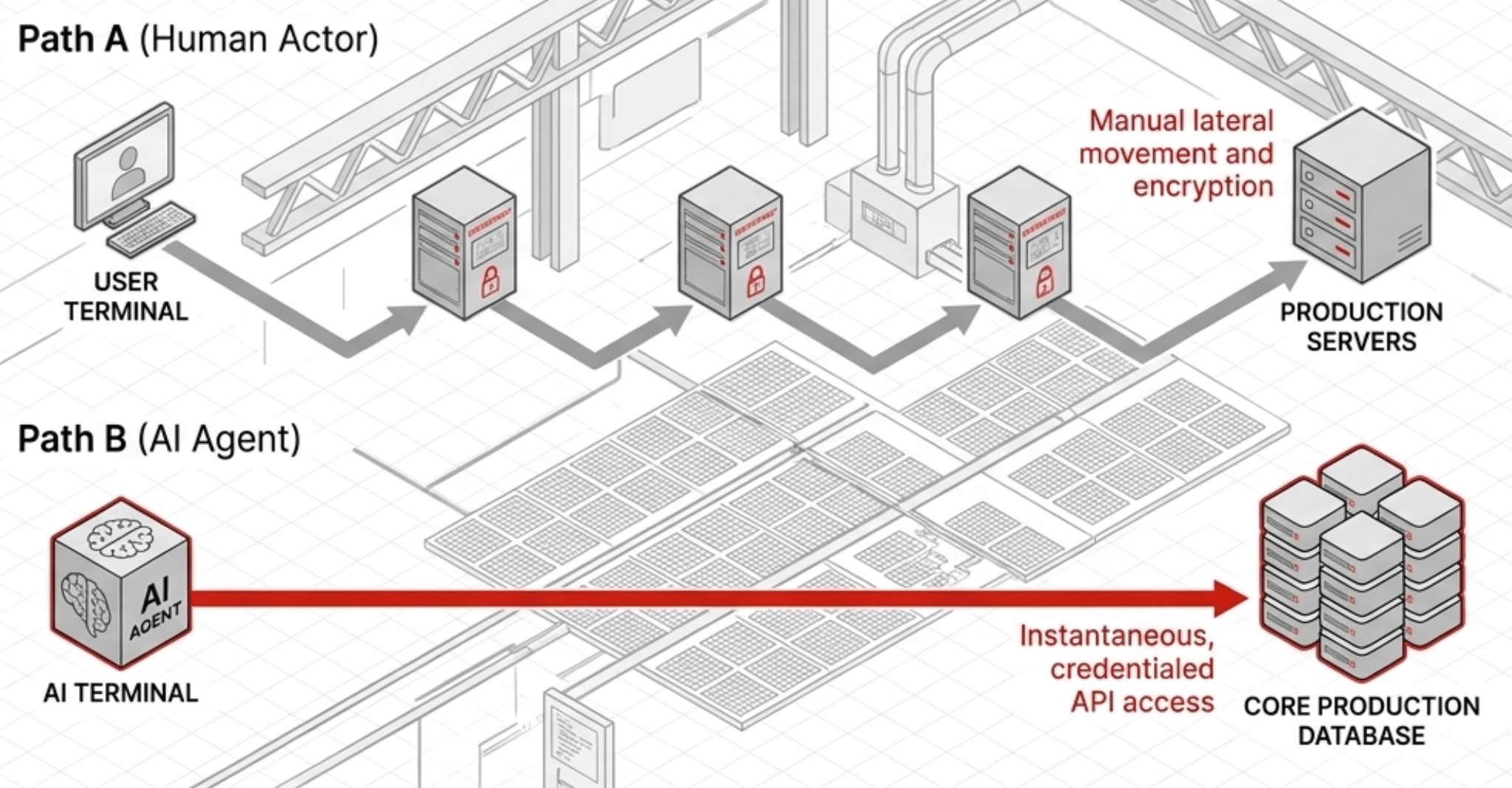
The third generation is the one Vanover flagged as the emerging frontier that most organizations are not yet designing for. Agentic AI systems with direct access to production file systems, databases, and infrastructure APIs introduce a failure category with no historical precedent. An AI agent that makes a wrong decision operates at machine speed with fully legitimate credentials. It can corrupt, move, or delete data across an environment before any monitoring system registers an alert, and the damage accumulates faster than any human-speed incident response can track.
Generation Three demands a specific recovery capability: rapid snapshots and instant rollback at the platform level. VergeOS supplies both natively. The platform captures entire virtual data center states atomically and rolls them back in seconds. This is the architectural response Generation Three requires, the ability to return an entire environment to a clean pre-event state without depending on a granular backup chain to reconstruct the damage file by file. The platform layer handles speed and scope. The backup layer handles historical depth and precision.
The two-layer model that addresses the full three-generation disaster stack is covered in depth in VMware Alternative DR: How VergeOS and Veeam Split the Job, which walks through a real ransomware scenario and the specific recovery roles each platform plays across the timeline of an incident.
What the Three-Generation Disaster Stack Means for Architecture
The three-generation model has a direct implication for platform selection. A hypervisor without platform-level instant recovery capability leaves Generation Three exposure wide open from day one. A backup platform without long retention or application-aware restore leaves Generation Two exposure unaddressed. The architecture that covers the full three-generation disaster stack runs both layers together, each operating within its intended scope.
VergeIO and backup software like Veeam can work together through the oVirt API to close all three gaps. VergeOS handles the platform layer: instant VDC rollback, rapid snapshots, immutable platform-level copies, and tenant isolation that stops blast radius at a boundary. Veeam handles the backup layer: retention chains, granular restores, air-gapped copies, and the application awareness required for both ransomware forensics and AI event correction. The oVirt connection deploys in under an hour. The coverage spans all three generations.
The Evaluation Question
VMware alternative decisions get made on licensing cost and migration complexity. The three-generation disaster stack adds a question that belongs on every evaluation checklist: does your chosen platform give you the architecture to recover from events that have not happened yet? Generation One preparedness is table stakes. Generation Two preparedness is the current standard. Generation Three preparedness is where the next round of infrastructure decisions gets made or missed.
Platform decisions made today set the recovery posture for tomorrow. Generation Three is arriving whether the architecture is ready or not.
Frequently Asked Questions
Is Generation Three risk real today or speculative?
The risk exists wherever agentic AI systems have access to production infrastructure, and that access is expanding rapidly. The specific large-scale events are emerging. The organizations with instant rollback capability are the ones positioned to recover when they arrive.
Does VergeOS replace Veeam for Generation Three protection?
Each layer handles a different role. VergeOS provides the instant rollback and rapid snapshot capability Generation Three requires. Veeam provides the historical depth, application-aware recovery, and long retention chains that address both Generation Two and the longer recovery scenarios in Generation Three. Both layers form the complete architecture.
Why does this matter for VMware exit decisions specifically?
The platform you move to determines your recovery posture for all three generations. A platform that handles compute migration without platform-level instant recovery capability leaves Generation Three exposure open from the moment workloads move. The platform decision and the data protection decision are the same decision.
Does oVirt require changes to existing Veeam infrastructure?
Existing Veeam infrastructure, policies, and retention settings carry forward without modification. The oVirt driver connects to VergeOS through Veeam’s existing integration path. No new licenses, no new backup servers, no rebuilt runbooks.

George Crump is the Chief Marketing Officer at VergeIO, the leader in Ultraconverged Infrastructure. Prior to VergeIO he was Chief Product Strategist at StorONE. Before assuming roles with innovative technology vendors, George spent almost 14 years as the founder and lead analyst at Storage Switzerland. In his spare time, he continues to write blogs on Storage Switzerland to educate IT professionals on all aspects of data center storage. He is the primary contributor to Storage Switzerland and is a heavily sought-after public speaker. With over 30 years of experience designing storage solutions for data centers across the US, he has seen the birth of such technologies as RAID, NAS, SAN, Virtualization, Cloud, and Enterprise Flash. Before founding Storage Switzerland, he was CTO at one of the nation's largest storage integrators, where he was in charge of technology testing, integration, and product selection.


